
Top 8 Instagram Marketing Strategies for Small Businesses in 2026
Instagram has become an important marketing platform for small businesses looking to build brand awareness, connect with customers, and increase sales. From local retailers and restaurants to service providers and online stores, businesses can use Instagram to showcase their products, share valuable content, and attract potential customers without requiring a large marketing budget.
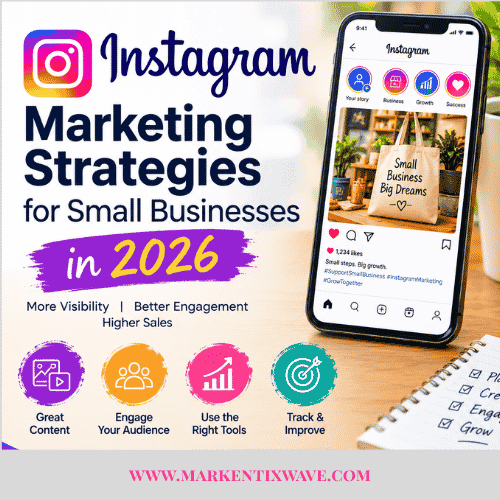
However, simply posting pictures and videos is no longer enough to achieve consistent results. Businesses need a clear content strategy, engaging visuals, meaningful interactions, and a strong understanding of their target audience. In 2026, successful Instagram marketing strategies for small businesses focus on authentic content, short-form videos, community building, social search, and measurable business goals.
What are the 8 core Instagram strategies for small businesses growth
Here are a proven 8 Instagram growth strategies to implement in 2026:
1. Optimize Your Instagram Business Profile
Your Instagram profile is often the first interaction potential customers have with your brand. A professional and informative profile helps visitors understand what your business offers and why they should choose you.
Start by switching to a professional account if appropriate for your business. Add a recognizable profile picture, preferably your company logo, and write a clear bio that explains your products or services. Include relevant keywords naturally in your name field and bio to help people understand your business. Add your website, contact information, location, and a clear call to action.
2. Create Reels That Capture Attention
Short-form video remains a valuable format for businesses that want to demonstrate products, share expertise, and reach new audiences. Instead of creating videos solely to promote your services, focus on content that addresses customer interests, questions, and problems.
3. Follow a Consistent Content Calendar
Consistency helps your audience recognize your brand and gives you a structured approach to publishing content. However, posting every day without a clear purpose can waste time and resources. Small businesses should prioritize content quality, relevance, and sustainability.
Create a weekly content calendar with different content categories.
For example:
- Monday: Educational tips or industry insights.
- Tuesday: Product demonstrations or service highlights.
- Wednesday: Customer testimonials or success stories.
- Thursday: Behind-the-scenes content.
- Friday: Reels featuring common customer problems.
- Weekend: Offers, community posts, or interactive Stories.
You can begin with three to five quality feed posts per week, depending on your resources, and adjust your schedule based on performance.
Use Instagram Stories for quick updates, polls, questions, product announcements, and everyday interactions.
Planning content in advance makes your Instagram marketing more manageable and helps maintain a recognizable brand identity.
4. Use Instagram SEO to Improve Discoverability
Instagram is also a discovery platform where users search for products, services, locations, and recommendations. Instagram SEO helps your content communicate its relevance to users and the platform. While no optimization technique guarantees higher rankings, clear descriptions and relevant information can improve discoverability. Include your main topic naturally in captions, use relevant keywords in your profile, and add location information when it is useful.
5. Build Customer Relationships Through Engagement
Instagram marketing is not just about publishing content. It is also about building relationships with potential and existing customers.
Respond to relevant comments, answer direct messages, acknowledge customer feedback, and participate in conversations related to your industry. Use Stories to ask questions, run polls, collect opinions, and understand what your audience wants.
6. Collaborate With Relevant Creators and Local Businesses
Collaborations can introduce your business to audiences who may not have discovered you otherwise. Small businesses do not always need expensive influencer partnerships. Local creators, complementary businesses, and existing customers can also help expand brand awareness. Measure profile visits, enquiries, website clicks, and conversions to determine whether a collaboration delivered meaningful value.
7. Use Instagram Ads Strategically
Organic content can help build long-term visibility, while paid advertising can help businesses reach selected audiences more quickly.
Instagram advertising may be useful when promoting a product launch, local offer, event, lead-generation campaign, or high-performing piece of content. Before spending money, define a specific objective. Decide whether you want website visits, messages, qualified leads, purchases, or local awareness. Start with a manageable test budget. Experiment with different creatives, audience settings, and messages while changing one major variable at a time.
8. Track Performance and Improve Your Strategy
Successful Instagram marketing requires regular analysis and experimentation.Use Instagram Insights and, where relevant, website analytics to evaluate which content contributes to your business goals.
Important metrics include:
- Reach: The number of unique accounts reached.
- Engagement: Interactions such as likes, comments, shares, and saves.
- Profile activity: Profile visits and actions taken by visitors.
- Website clicks: Visits generated from your Instagram profile or content.
- Leads and conversions: Enquiries, bookings, purchases, or other meaningful results.
Review performance monthly and compare similar types of content. A Reel with fewer views but several qualified enquiries may be more valuable than a viral video that generates no business. Use these findings to improve your topics, creative formats, publishing schedule, and calls to action.
Common Instagram Marketing Mistakes to Avoid
Small businesses should avoid several common mistakes:
- Posting without a defined marketing objective.
- Using generic content that does not address customer needs.
- Ignoring comments and direct messages.
- Buying followers or engagement.
- Overusing irrelevant hashtags.
- Focusing only on likes and follower counts.
- Spending on advertisements without tracking conversions.
- Expecting immediate sales from every post.
Instagram growth takes experimentation and consistency. Results vary depending on the industry, audience, competition, content quality, and offer.
Conclusion
Instagram can be a valuable marketing channel for small businesses in 2026 when it is used with a clear strategy. An optimized profile, engaging Reels, consistent content, relevant keywords, genuine customer interactions, strategic collaborations, and performance tracking can help businesses build visibility and attract potential customers.
The most effective Instagram marketing strategies for small businesses are not necessarily the most expensive. They are the ones that connect the right audience with useful content and give people a clear reason to trust and choose your business.
Start with a few practical improvements, measure the results, and refine your approach over time.
Ready to grow your business on Instagram?
At Markentix Wave, we help businesses strengthen their digital presence through social media marketing, content creation, SEO, and digital marketing strategies tailored to their goals.
Visit https://www.markentixwave.com to explore our services and discuss how we can help your business improve its online visibility and attract potential customers.
Frequently Asked Questions (FAQs)
1. What are the best Instagram marketing strategies for small businesses in 2026?
The most useful strategies include optimizing your business profile, creating engaging Reels, publishing consistent content, using relevant keywords, interacting with customers, collaborating with suitable creators, and tracking performance.
2. How often should a small business post on Instagram?
A practical starting point is three to five feed posts per week, depending on your capacity and audience. You can supplement these posts with Stories and test different publishing frequencies based on engagement and business results.
3. How can small businesses grow on Instagram without paid advertising?
Businesses can focus on useful original content, relevant Reels, descriptive captions, customer engagement, local discoverability, collaborations, and customer testimonials. Organic growth takes time, and results are not guaranteed.
4. Are Instagram Reels important for small businesses?
Reels can help businesses demonstrate products, educate customers, tell brand stories, and reach potential audiences. Their effectiveness depends on content relevance, audience interest, and how well the videos support business goals.
5. How long does Instagram marketing take to produce results?
Some posts may generate immediate engagement, but building consistent visibility, trust, and sales can take several weeks or months. Results depend on your starting audience, industry, content strategy, competition, and budget.